
Spray foam insulation is a high-performance insulation material that expands after application to fill gaps, cracks, and hard-to-reach spaces. Unlike traditional fiberglass batts, spray foam creates an air-tight seal that helps reduce air leakage, improve energy efficiency, and make your home more comfortable year-round.

Insulation FAQ
in Eau Claire, Chippewa Falls, and Menomonie
Find answers to frequently asked questions about different types of insulation and their uses, including spray foam, blown-in, dense pack, air sealing, and foundation insiulation. Rock & Tait professional insulation experts can help you choose the best option for your home improvement project.
Request an EstimateSpray Foam Insulation FAQ
What is spray foam insulation?
What are the benefits of spray foam insulation?
Spray foam insulation offers several advantages over traditional insulation, including:
- Superior air sealing
- Higher energy efficiency
- More consistent indoor temperatures
- Reduced heating and cooling costs
- Improved moisture resistance
- Better sound reduction
- Helps keep dust, pollen, insects, and other outdoor pollutants out of your home
These benefits make spray foam one of the most effective insulation options for improving overall home performance.
Is spray foam insulation better than fiberglass?
Both insulation types have their place, but spray foam provides a significant advantage because it insulates and air seals at the same time. Fiberglass slows heat transfer but does little to stop air leaks. By sealing gaps where conditioned air escapes, spray foam can create a more comfortable and energy-efficient home.
Why choose Rock & Tait for spray foam insulation?
At Rock & Tait, we help homeowners throughout Eau Claire, Chippewa Falls, and Menomonie improve comfort and energy efficiency with professionally installed spray foam insulation. Our team evaluates your home's insulation and air leakage before recommending the best solution for your needs. Whether you're building a new home, remodeling, or upgrading outdated insulation, we're committed to quality workmanship, personalized recommendations, and long-lasting results that help you enjoy a more comfortable home year-round.
Can spray foam improve indoor air quality?
Yes. By sealing gaps where outside air enters, spray foam can help reduce the amount of dust, pollen, allergens, and insects that find their way into your home. Many homeowners also notice a quieter indoor environment because spray foam helps reduce outside noise.
Does spray foam help with indoor comfort?
Yes. Because spray foam seals air leaks, it helps maintain more consistent temperatures throughout your home. Many homeowners notice fewer drafts, more even room temperatures, and improved comfort during both Wisconsin's cold winters and warm summers.
Where can spray foam insulation be installed?
Spray foam insulation can be installed in many areas of your home, including:
- Attics
- Exterior walls
- Rim joists
- Crawl spaces
- Basements
- Garages
- New construction
- Remodeling projects
We'll evaluate your home and recommend the best locations to maximize comfort and energy savings.
How much can spray foam insulation reduce my energy bills?
Every home is different, but properly installed spray foam insulation can significantly reduce heating and cooling costs by minimizing air leakage. Rock & Tait notes that homeowners may see energy savings of up to 40% compared to some traditional insulation methods, depending on the home's existing condition and where spray foam is installed.
Does spray foam help prevent mold and moisture problems?
Spray foam helps reduce uncontrolled air movement, which can limit the amount of moisture entering wall and attic cavities. When combined with proper ventilation and moisture management, it can help create conditions that discourage mold growth and improve your home's overall durability.
Is spray foam insulation a good choice for Wisconsin homes?
Absolutely. Wisconsin experiences hot summers, cold winters, and significant temperature swings throughout the year. Spray foam's ability to reduce air leakage and improve thermal performance makes it an excellent option for homeowners looking to improve comfort and lower energy costs in all seasons.
Why is professional spray foam installation important?
Proper spray foam installation requires specialized equipment, training, and experience. Professional installation helps ensure the insulation expands correctly, creates a complete air seal, and delivers the energy-saving performance it's designed to provide.
Can spray foam increase my home's value?
Improving your home's energy efficiency, comfort, and overall performance can make it more attractive to future buyers. While every home is different, energy-efficient upgrades such as spray foam insulation are often viewed as valuable long-term improvements.
Should I have a home energy evaluation before adding insulation?
Yes. A home performance evaluation can identify where your home is losing energy and determine which insulation improvements will provide the greatest benefit. Rock & Tait recommends evaluating air leakage, insulation levels, and overall home performance before recommending insulation upgrades.
How long does spray foam insulation last?
Spray foam insulation is designed to last for the life of the home when properly installed. Unlike some traditional insulation materials, it doesn't settle significantly over time, helping it maintain its insulating and air-sealing performance for many years.
Blown-In Insulation FAQ
Why choose Rock & Tait for blown-in insulation?
At Rock & Tait, we help homeowners throughout Eau Claire, Chippewa Falls, and Menomonie improve home comfort with professionally installed blown-in cellulose insulation. We begin by evaluating your home's energy performance and attic insulation before recommending the right solution. Whether you're upgrading an older home or improving the efficiency of a newer one, our experienced team focuses on quality workmanship, energy savings, and lasting results that help keep your home comfortable throughout every Wisconsin season.
Why is professional blown-in insulation installation important?
Professional installation ensures the insulation is installed at the proper depth and coverage, without blocking attic ventilation or leaving gaps. An experienced installer can also identify air leaks, ventilation issues, and other factors that affect your home's overall energy efficiency.
How much does blown-in insulation cost?
The cost depends on your attic size, current insulation levels, accessibility, and the amount of insulation needed. After evaluating your home, we'll provide a detailed estimate and recommend the improvements that will deliver the greatest benefit for your comfort and energy savings.
Is blown-in insulation a good choice for Wisconsin homes?
Yes. Blown-in cellulose insulation performs well in Wisconsin's cold winters and warm summers by helping reduce heat loss, minimizing air movement through the attic, and improving your home's overall energy efficiency. It's especially effective when combined with proper attic ventilation and air sealing.
Where is blown-in insulation typically installed?
Blown-in insulation is most commonly installed in attics, where heat loss and heat gain often occur. It can also be used in enclosed wall cavities and other areas where adding insulation is difficult with traditional batts.
Why does Rock & Tait recommend cellulose instead of fiberglass?
Rock & Tait recommends premium cellulose insulation because it has a higher density than traditional blown fiberglass, allowing it to better resist air movement and improve thermal performance. Cellulose is also made from recycled paper treated with fire retardants, making it environmentally friendly while helping resist fire, pests, moisture, and mold.
What are the benefits of blown-in cellulose insulation?
Blown-in cellulose insulation offers several advantages, including:
- Improved energy efficiency
- Lower heating and cooling costs
- Excellent coverage around pipes, wiring, and irregular spaces
- Better resistance to air movement than many traditional fiberglass products
- Made from recycled materials
- Helps reduce outside noise
- Moisture-resistant and treated to resist pests and fire
These benefits make cellulose an excellent choice for upgrading attic insulation in both older and newer homes.
How much can blown-in insulation lower my energy bills?
Every home is different, but adding adequate attic insulation can significantly reduce heating and cooling costs by slowing heat transfer and reducing energy loss. Homes with older or insufficient insulation often experience the greatest improvement after upgrading their attic insulation.
How do I know if my attic needs more insulation?
Signs your attic may need additional insulation include:
- High heating or cooling bills
- Uneven temperatures between rooms
- Cold drafts during winter
- Ice dams forming along the roof
- Hot upstairs rooms during summer
- Existing insulation that appears thin, compressed, or uneven
A professional insulation evaluation can determine whether your attic meets current recommended insulation levels.
Should I add insulation without sealing air leaks first?
For the best results, no. Air sealing and insulation work together to improve your home's efficiency. Sealing gaps around plumbing, wiring, light fixtures, and other openings before adding insulation helps prevent conditioned air from escaping and allows the insulation to perform more effectively. Rock & Tait evaluates your home's overall energy performance before recommending improvements.
How long does blown-in insulation last?
Blown-in cellulose insulation is designed to provide long-lasting performance. When properly installed and kept dry, it can continue insulating your home for decades. Periodic attic inspections can help ensure the insulation remains evenly distributed and performs as intended.
Is blown-in insulation environmentally friendly?
Yes. Cellulose insulation is one of the most environmentally friendly insulation products available because it's manufactured from up to 85% recycled newspaper and treated with safe fire-retardant materials. It helps reduce landfill waste while improving your home's energy efficiency.
Can blown-in insulation help prevent ice dams?
Yes. While ice dams can have multiple causes, improving attic insulation helps reduce heat escaping into the attic, which can minimize snow melting on the roof. When combined with proper attic ventilation and air sealing, blown-in insulation can help reduce the conditions that contribute to ice dam formation.
What is blown-in insulation?
Blown-in insulation is a loose-fill insulation that is installed using specialized equipment to create an even layer of insulation in attics and other hard-to-reach areas. Rock & Tait installs premium cellulose blown-in insulation, which helps improve your home's energy efficiency, comfort, and overall performance.
Dense Pack Insulation FAQ
Why choose Rock & Tait for dense-pack insulation?
At Rock & Tait, we help homeowners throughout Eau Claire, Chippewa Falls, and Menomonie improve comfort and reduce energy costs with professionally installed dense-pack cellulose insulation. We begin with a comprehensive evaluation of your home's energy performance to determine where insulation improvements will have the greatest impact. Whether you're upgrading an older home or improving the efficiency of your current home, our experienced team delivers quality workmanship, personalized recommendations, and lasting results that help keep your home comfortable in every Wisconsin season.
Why is professional dense-pack insulation installation important?
Proper dense-pack installation requires specialized equipment and experience to achieve the correct density throughout each wall cavity. Professional installation helps ensure the insulation performs as intended, providing effective air sealing, consistent coverage, and long-lasting energy savings.
Can dense-pack insulation increase my home's value?
Improving your home's comfort and energy efficiency can make it more attractive to future buyers. Dense-pack insulation is a long-term investment that helps lower energy costs, improve indoor comfort, and increase your home's overall efficiency.
Should I have a home energy evaluation before adding insulation?
Yes. A home performance evaluation can identify where your home is losing energy and determine whether dense-pack insulation, attic insulation, air sealing, or another upgrade will provide the greatest benefit. Rock & Tait evaluates your home's overall energy performance before recommending insulation improvements.
How long does dense-pack insulation last?
When professionally installed and kept dry, dense-pack cellulose insulation is designed to last for decades. Because it is installed at a high density, it resists settling and continues to provide reliable insulation and air-sealing performance over the long term.
How is dense-pack insulation different from blown-in insulation?
While both use cellulose insulation, they serve different purposes. Blown-in insulation is typically installed in open attic spaces, while dense-pack insulation is installed under higher pressure into enclosed wall cavities. This higher density helps minimize air movement within the walls and provides improved insulating performance.
What are the benefits of dense-pack insulation?
Dense-pack cellulose insulation offers several advantages, including:
- Helps create a tighter air seal
- Reduces drafts and air infiltration
- Improves energy efficiency
- Lowers heating and cooling costs
- Helps reduce outside noise
- Adds protection against moisture, mold, pests, and fire
- Made from recycled materials
These benefits make dense-pack insulation an excellent solution for improving comfort and reducing energy loss in existing homes.
What is dense-pack insulation?
Dense-pack insulation is a method of installing cellulose insulation into enclosed wall cavities using specialized equipment and high pressure. The insulation is packed tightly to reduce air movement, improve thermal performance, and create a more comfortable, energy-efficient home. Unlike loose-fill insulation, dense-pack insulation is specifically designed to fill wall cavities without settling over time.
Where is dense-pack insulation installed?
Dense-pack insulation is most commonly installed inside existing exterior wall cavities. Small access holes are drilled, and cellulose insulation is blown into the wall under pressure until the cavity is completely filled. This allows homeowners to improve insulation without removing large sections of drywall.
Is dense-pack insulation a good option for older homes?
Yes. Dense-pack insulation is especially popular for older homes that have little or no insulation inside the walls. It provides an effective way to improve comfort and energy efficiency without major remodeling, making it an excellent upgrade for many Wisconsin homes.
Is dense-pack insulation environmentally friendly?
Yes. Dense-pack cellulose insulation is one of the most environmentally friendly insulation products available. It is manufactured from up to 85% recycled newspaper and treated with borate minerals for fire and pest resistance, helping reduce waste while improving your home's energy efficiency.
Does dense-pack insulation help reduce drafts?
Absolutely. One of the biggest advantages of dense-pack cellulose insulation is its ability to reduce unwanted air movement inside wall cavities. This helps eliminate drafts and creates more consistent indoor temperatures throughout the home.
Can dense-pack insulation lower my energy bills?
Yes. By reducing air infiltration and improving your home's thermal performance, dense-pack insulation can significantly reduce heating and cooling losses. Many homeowners notice improved comfort along with lower monthly energy costs after insulating previously uninsulated exterior walls.
Why does Rock & Tait use cellulose instead of fiberglass?
Rock & Tait recommends premium cellulose because it has a higher density than fiberglass, allowing it to better resist air movement and improve overall thermal performance. Cellulose is also manufactured from recycled paper treated with borate fire retardants, making it resistant to fire, pests, moisture, and mold.
Foundation Insulation FAQ
What is foundation insulation?
Foundation insulation is insulation installed along the interior or exterior of your home's foundation walls to reduce heat loss, improve energy efficiency, and create a more comfortable basement or crawl space. Proper foundation insulation is an important part of a complete home insulation strategy because it helps reduce energy loss where your home meets the ground.
Why is foundation insulation important?
Many homeowners focus on insulating their attic but overlook the foundation. An uninsulated foundation allows heat to escape through basement walls and floors, making your home less comfortable and increasing heating and cooling costs. Proper foundation insulation helps improve indoor comfort, lower energy bills, and reduce temperature fluctuations throughout the home.
What are the benefits of foundation insulation?
Foundation insulation provides several important benefits, including:
- Improved energy efficiency
- Lower heating and cooling costs
- A warmer, more comfortable basement
- Reduced drafts and cold floors
- Better moisture control
- Improved indoor comfort year-round
- Potential eligibility for energy-efficiency rebates
Foundation insulation works best when combined with proper air sealing and other insulation improvements.
Does foundation insulation help with moisture problems?
Foundation insulation can help reduce condensation on basement walls by keeping interior surfaces warmer. However, if your basement has water leaks or drainage issues, those problems should be addressed as part of a complete moisture management plan before or alongside insulation improvements.
Will foundation insulation make my basement more comfortable?
Absolutely. Many homeowners notice their basement feels noticeably warmer in winter and more comfortable year-round after foundation insulation is installed. Reducing heat transfer through foundation walls also helps make first-floor rooms above the basement more comfortable.
Can foundation insulation lower my energy bills?
Yes. Foundation insulation reduces heat transfer through basement walls, helping your heating and cooling system operate more efficiently. Combined with proper air sealing and attic insulation, it can significantly reduce energy loss and improve your home's overall efficiency.
Should I insulate the inside or outside of my foundation?
Both interior and exterior foundation insulation can be effective, depending on your home's construction and project goals.
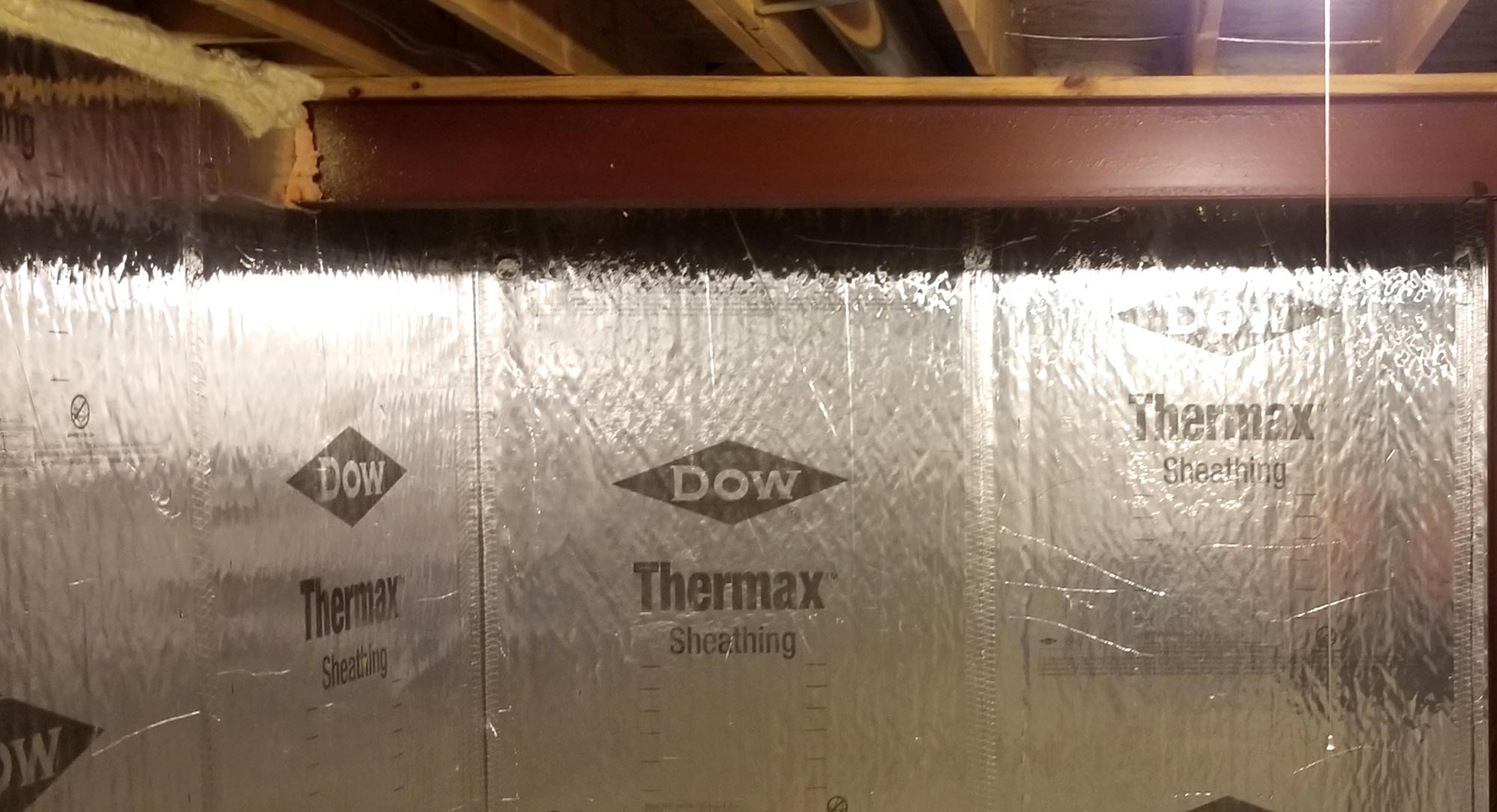
- Interior foundation insulation is commonly installed on unfinished basement walls using rigid foam insulation such as DuPont™ Thermax™, which is approved to remain exposed without drywall in many applications.
- Exterior foundation insulation uses rigid foam installed around the outside of the foundation to reduce heat transfer before it enters the home.
During a home evaluation, we'll recommend the solution that best fits your home's needs.
Is foundation insulation a good choice for Wisconsin homes?
Yes. Wisconsin's long, cold winters make foundation insulation an excellent investment. By reducing heat loss through foundation walls, homeowners can enjoy improved comfort, lower energy bills, and a more energy-efficient home throughout every season.
Should I have a home energy evaluation before adding foundation insulation?
Yes. Rock & Tait recommends starting with a home performance evaluation that measures air leakage, insulation levels, humidity, and overall home efficiency. This helps identify where your home is losing energy so improvements can be prioritized for the greatest benefit.
Why is professional foundation insulation installation important?
Proper installation ensures insulation is placed correctly, vulnerable air leaks are addressed, and moisture concerns are considered before installation. Professional installation also helps maximize energy savings and ensures the insulation performs as intended for years to come.
Can foundation insulation increase my home's value?
Energy-efficient improvements such as foundation insulation can make your home more comfortable and attractive to future buyers. Lower utility costs, improved basement comfort, and better overall home performance are valuable long-term benefits.
How long does foundation insulation last?
Quality foundation insulation is designed to last for decades when properly installed and protected from damage. It requires very little maintenance and continues providing energy savings and improved comfort for many years.
What insulation products does Rock & Tait use for foundation insulation?
For unfinished basement walls, Rock & Tait recommends DuPont™ Thermax™ foil-faced foundation insulation because it has been fire tested and can often remain exposed without requiring drywall. For exterior applications, rigid foam insulation is installed around the foundation perimeter to improve energy efficiency and basement comfort.
Why choose Rock & Tait for foundation insulation?
At Rock & Tait, we help homeowners throughout Eau Claire, Chippewa Falls, and Menomonie improve home comfort through customized insulation solutions. We begin with a comprehensive home performance evaluation to identify where your home is losing energy before recommending foundation insulation, air sealing, or other improvements. Whether insulating the interior or exterior of your foundation, our experienced team focuses on quality workmanship, energy efficiency, and long-lasting results that help you enjoy a warmer, more comfortable home.
Air Sealing FAQ
Should I have a home energy evaluation before air sealing?
Yes. A home performance evaluation helps identify where your home is losing energy and determines which improvements will provide the greatest benefit. Rather than guessing where leaks exist, a professional assessment creates a plan that may include air sealing, insulation upgrades, ventilation improvements, or a combination of solutions.
What products does Rock & Tait use for air sealing?
Rock & Tait uses a two-part spray foam and HandiFoam® polyurethane foam sealants to fill and seal small gaps, cracks, and voids throughout the home. These products expand to create a durable, long-lasting air seal and are designed to provide excellent adhesion and performance.
Can air sealing help prevent moisture and mold problems?
Yes. Uncontrolled air leaks can carry moisture into wall cavities and attic spaces, increasing the risk of condensation and mold growth. Air sealing helps reduce this moisture movement, especially when combined with proper insulation and ventilation.
Can air sealing improve indoor air quality?
Yes. Air sealing helps reduce the amount of dust, pollen, outdoor allergens, insects, and unconditioned air entering your home through gaps and cracks. When paired with proper ventilation, it creates a healthier indoor environment while maintaining good airflow.
Is air sealing a good investment for Wisconsin homes?
Absolutely. Wisconsin's cold winters and warm summers make air sealing one of the most effective ways to improve year-round comfort. By reducing unwanted air infiltration, homeowners can enjoy fewer drafts, lower energy bills, and more consistent indoor temperatures throughout every season.
Why is professional air sealing important?
Many of the largest air leaks are hidden behind walls, in attics, crawl spaces, or around mechanical systems. Professional air sealing ensures these problem areas are identified and sealed with the proper materials while maintaining healthy ventilation throughout the home.
Why choose Rock & Tait for air sealing?
At Rock & Tait, we help homeowners throughout Eau Claire, Chippewa Falls, and Menomonie improve comfort and lower energy costs with professional air sealing services. Our team takes a whole-home approach by evaluating your home's energy performance, identifying areas of air leakage, and recommending the improvements that will have the greatest impact. Whether air sealing is combined with insulation upgrades or completed as a standalone project, we're committed to quality workmanship and long-term energy savings.
Is air sealing better than adding insulation?
Air sealing and insulation work together-they're not substitutes for one another. Insulation slows heat transfer, while air sealing stops unwanted air movement. In many homes, sealing major air leaks before adding insulation provides the best overall improvement in comfort and energy efficiency.
Does air sealing lower energy bills?
Yes. Air sealing reduces the amount of heated or cooled air escaping from your home, allowing your HVAC system to operate more efficiently. Many homeowners notice lower energy bills after sealing significant air leaks, especially when air sealing is combined with insulation improvements.
What is air sealing?
Air sealing is the process of locating and sealing gaps, cracks, and other openings where outside air enters and conditioned indoor air escapes. By reducing unwanted air leaks, air sealing helps improve your home's energy efficiency, comfort, and indoor air quality. It is one of the most cost-effective ways to reduce heating and cooling costs.
Where are the most common air leaks in a home?
Air leaks are commonly found around:
- Attic penetrations
- Plumbing and electrical openings
- Chimneys and fireplace walls
- Recessed lighting
- Ductwork
- Dropped ceilings and soffits
- Windows and doors
- Basement rim joists
- Utility penetrations
Because many leaks are hidden, a professional inspection is often the best way to locate them.
How do I know if my home needs air sealing?
Common signs include:
- Drafts around windows and doors
- High heating or cooling bills
- Uneven temperatures between rooms
- Cold floors or walls during winter
- Excessive dust inside the home
- Ice dams forming on the roof
- Rooms that are difficult to keep comfortable
A professional home evaluation can identify where your home is losing energy and determine whether air sealing is recommended.
What are the benefits of air sealing?
Air sealing offers many benefits, including:
- Lower heating and cooling costs
- Fewer drafts and cold spots
- More consistent indoor temperatures
- Improved indoor air quality
- Reduced dust, pollen, and outdoor pollutants
- Better humidity control
- Less moisture entering wall and attic cavities
- Improved overall home energy efficiency
Air sealing often provides immediate improvements in comfort while helping lower long-term energy costs.
Why is air sealing important?
Even well-built homes have small openings around plumbing, wiring, windows, doors, attic penetrations, and other areas where air can leak. These leaks force your heating and cooling system to work harder, leading to higher energy bills, uncomfortable drafts, and inconsistent temperatures. Proper air sealing helps reduce energy waste while creating a healthier and more comfortable home.